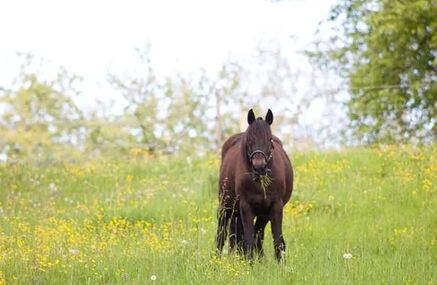
Every horse owner in the UK knows the dread of walking out to the field in mid-winter and seeing gateways, fence lines, and water trough areas churned into deep, rutted mud. Wet British winters combined with heavy hooves quickly lead to severe poaching, destroying existing grass cover, compacting the soil structure, and leaving bare mud ripe for weeds like docks, thistles, and buttercups to take over come spring.
While it is tempting to throw grass seed down immediately to cover the mud, sowing into freezing, waterlogged winter ground is almost always a waste of money. Instead, winter is the ideal time to protect what remains of your grazing, test your soil, and get your spring overseeding plan, and seed orders, lined up so you can act the moment conditions turn in March or April.
Why You Shouldn't Sow into Mid-Winter Mud
Grass seed requires three things to germinate and survive: soil temperatures consistently above 8°C, moisture (not standing water), and good seed-to-soil contact.
Casting paddock seed onto poached mud in December, January, or February usually results in:
- Seed Rot: Waterlogged, anaerobic soil suffocates germinating seeds before they can root.
- Frost Kill: Any fragile seedlings that do sprout during a mild week will be killed off by the next hard frost.
- Hoof Damage: Turning horses back onto wet, newly sown ground destroys shallow roots immediately.
The smartest approach is to manage the damage through winter and prepare for a fast, successful spring recovery.
Step 1: Winter Damage Limitation (What to Do Right Now)
While your paddocks are dormant, focus on preventing long-term structural damage to your pasture:
- Create a Sacrifice Area or Hardstanding: Where possible, keep horses off saturated grazing fields and use an all-weather turnout pen, woodchip corral, or dedicated sacrifice paddock during heavy rain.
- Protect Gateways & Troughs: Lay temporary grass mats or hardcore around high-traffic feeding and watering points to stop mud from spreading further into the field.
- Avoid Rolling Wet Ground: Never take a heavy roller onto wet winter clay or loam—it seals the surface, worsens compaction, and stops spring drainage. Wait until the ground has dried out enough to carry machinery without leaving ruts.
Step 2: Test Your Paddock Soil Before Spring
Poached paddocks often suffer from underlying soil acidity and nutrient depletion, especially where weeds like buttercups (a classic sign of wet, acidic, or compacted ground) are creeping in.
Taking a postal soil sample during winter gives you laboratory results well ahead of the spring rush:
- Recommended Kit: Basic Soil Testing Kit | Nutrient & pH Analysis
- What It Checks: Measures your exact soil pH, lime requirement, and key macronutrients (Phosphorus, Potassium, and Magnesium).
- Why It Matters Now: If your paddock is acidic, agricultural or garden lime takes several months to react with the soil and raise the pH. Testing in winter gives you time to apply lime early so your new grass seedlings can actually absorb nutrients in spring.
Please note: Soil test reports provide laboratory data only and do not include agronomic advice or recommendations for soil correction. If you require guidance on nutrient management plans, soil amendments, or fertiliser applications, we recommend speaking to a FACTS-qualified agronomist.
Step 3: Order the Right Equine Grass Seed for Spring Overseeding
High-demand equine grass mixtures frequently face supply bottlenecks in March and April when every yard in the country tries to repair winter damage at once. Ordering your seed over winter ensures it is sitting dry in the tack room or barn, ready to go the first week soil temperatures hit 8°C.
When choosing seed for horses, avoid standard agricultural dairy mixes, they are bred for high sugar (fructan) levels and rapid weight gain, which can trigger laminitis. Instead, choose specialist equine formulations from our Horse & Pony Paddock Seed Collection:
1. For Durable, Hard-Wearing Grazing: Long Term Ley – Horse & Pony Mix
- Best Suited For: Main turnout paddocks, gateways, and fields needing tough, persistent turf that stands up to hooves.
- Why Choose It: Formulated with dense, lower-sugar amenity and creeping grasses (such as Strong Creeping Red Fescue, Smooth Stalked Meadow Grass, and late-heading Perennial Ryegrass). It knits together into a tight, fibrous sward that resists poaching and recovers quickly after grazing.
2. For Natural Browsing & Good-Doers: Horse & Pony Safe Herbal Mix
- Best Suited For: Native breeds, laminitis-prone horses, and owners looking to boost natural forage diversity and mineral intake.
- Why Choose It: Combines deep-rooting, lower-sugar grasses with horse-safe herbs and legumes (such as Chicory, Ribgrass Plantain, Yarrow, Sheep's Parsley, and Birdsfoot Trefoil). Deep taproots help break up winter soil compaction naturally, improve drainage, and provide vital trace elements without high sugar spikes.
Step 4: Your Spring Paddock Rescue Checklist
Once spring arrives, the ground dries out, and soil temperatures reach 8°C–10°C (typically late March to April):
- Chain Harrow & Level: Harrow poached areas to break up dried mud clods, pull out dead moss/thatch, and level hoof ruts.
- Overseed Bare Patches: Broadcast your chosen equine seed mix evenly across bare and thin areas (typically at around 15–20kg per acre for overseeding, or 30–35kg per acre for severely damaged patches).
- Roll for Seed-to-Soil Contact: Lightly roll the paddock immediately after sowing to press the seed firmly into the topsoil and lock in moisture.
- Rest Until Established: Keep horses off newly overseeded paddocks until the grass has reached at least 7–10cm high and passes the "tug test" (roots hold firm when pulled by hand).
Get Your Paddocks Ready with South West Seeds
Don't let winter mud ruin your grazing for the rest of the year. By testing your soil now and pre-ordering your spring seed mixtures early, you can turn poached paddocks back into thick, healthy, horse-safe pasture as soon as spring arrives.