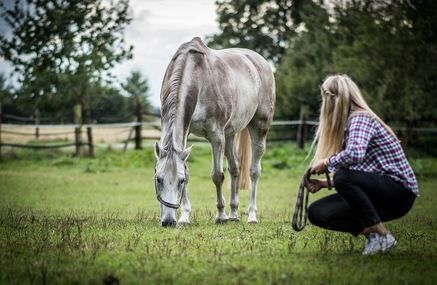
If you’ve ever looked out at a muddy gateway or a patchy paddock and thought “I need to sort this out,” you aren’t alone. Getting horse pasture to look and stay good is tough. Between the heavy hooves, selective grazing and our unpredictable weather, horse fields take a serious beating.
Choosing the right grass seed is half the battle. If you grab a cheap lawn mix or a high-sugar agricultural silage seed off the shelf, you’ll likely end up with poor wear tolerance or grass that isn't ideal for your horse.
So, what should you actually be sowing? Here’s a straightforward guide to picking the right seed for your land, using proven mixes from our range at South West Seeds
Not all grass seeds are cut out for horses. When you’re browsing, keep a few things in mind:
Every field is different. Over at South West Seeds, we put together a dedicated selection of Equestrian Grass Seed mixtures designed specifically to handle the demands of horses and equine sports:
If you are establishing a new paddock from scratch or completely overhauling a tired, poached field, this is a fantastic go-to. It’s specifically formulated to create a dense, hard-wearing turf that stands up to daily equestrian traffic, handling heavy hooves well while still producing a great yield if you choose to shut a section up for hay or haylage.
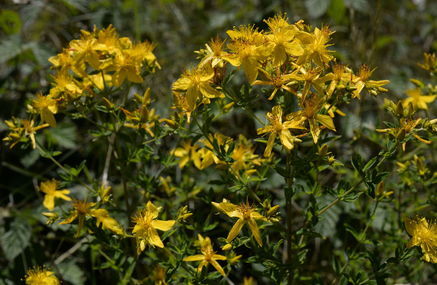
If you’re managing good-doers, native breeds, or horses prone to weight gain and laminitis, or if you simply want to move away from a boring grass monoculture, adding herbs makes a huge difference. This mixture introduces beneficial herbs and deep-rooting plants alongside your grass pasture to tap into minerals lower down, creating more varied, fiber-rich and nutritionally balanced forage that mimics a natural meadow.
Standard paddock seed won't cut it if you're dealing with high-impact sports. For those areas, you need turf built for heavy traffic and instant recovery:
Investing in the right seed now saves you endless headaches (and mud) later down the line. Have a look through our complete range of professional-grade options over on the South West Seeds Equestrian Grass Seed Page , including dedicated options like our Long Term Ley - Horse & Pony Mix and Horse & Pony Safe Herb Mixture. Not sure which one fits your soil type or usage best? Drop us a message and we can point you in the right direction.