As summer begins to dwindle and the evenings start to cool, it may seem like the growing season is ending. But if you're looking to grow a stunning wildflower display next spring, now is actually the perfect time to sow your wildflower seeds.
Whether you're an experienced wildflower grower or just starting out, here's why late summer to early autumn is the ideal window to get those wildflowers in the ground.
- Mimicking Nature’s Cycle: Most flowers naturally go to seed in late summer to early autumn. By sowing your seeds now, you are working with nature, allowing the seeds to lie dormant through the winter and germinate in the spring. The winter period also gives your seeds a natural stratification (a period of cold), helping to break dormancy and increase germination rates in most wildflower seeds.
- Less Competition from Weeds: By sowing seeds now, you avoid the heavy growing period of many fast-growing weeds. This gives your wildflowers a better shot at establishing themselves without getting smothered. Additionally, any weed seeds that do germinate now are more easily managed in the cooler weather.
- Autumn Rains Do the Work for You: With the return of cooler temperatures often comes increased rainfall. This natural moisture helps wildflower seeds settle into the soil and begin the first stages of germination. Also, you will need to do far less watering than you would if sowing in spring or summer.
- A Head Start for Spring Blooms: Sowing wildflower seeds now means they’ll be ready to sprout as soon as the soil warms in spring. This can give you earlier blooms and stronger, more established plants compared to seeds sown in spring.
- Supports Pollinators Early in the Season: Early blooms are a lifeline for pollinators like bumblebees who are active much earlier and fly in much cooler temperatures than many other insects. By sowing now, you’re helping to ensure your garden provides nectar and habitat right when they need it most.
Tips for Successful Sowing
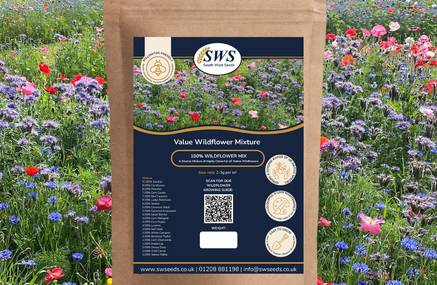
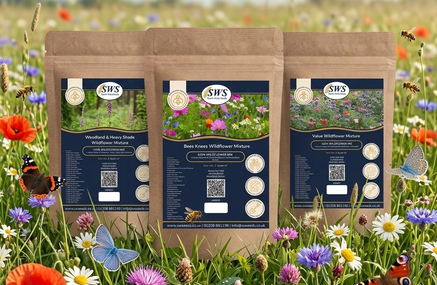
- Choose the right mix: Select a seed mix appropriate for your soil. Avoid planting in heavy clay soils or areas prone to flooding, as winter water retention will likely oversaturate the seeds. For a brilliant pollinator-friendly option, try our Bee's Knees Wildflower Mixture packed with nectar-rich species, or keep it versatile with our Value Wildflower Seed Mix which thrives across a wide range of soil types. If you need something tailored, explore our specialised ranges for Heavy Soils, Acid Soils, Chalk & Sandy Soils, or Shady Woodland Areas.
- Not sure what your soil type is? Test your soil using one of our Basic Soil Tests before you begin.
- Prepare your soil: It is essential to prepare the site thoroughly. Make sure to remove any existing weeds using eco-friendly methods, rake the soil to create a fine tilth, and firm it down before sowing. For our full, step-by-step instructions, view our complete Wildflower Growing Guide.
- Be patient: Many wildflowers won’t show signs of life until next spring- but don’t worry, nature is quietly doing its work.
While it might feel counterintuitive to plant just as the growing season is ending, sowing wildflower seeds in late summer or early autumn sets the stage for a stunning and pollinator-friendly display next year. So grab your wildflower seed mixture, find a sunny patch of soil, and let nature take it from there. Your future self, and the bees, will thank you!