When autumn slips into winter, most gardening books tell you to pack away your seed packets until spring. But if you're looking to create a vibrant wildflower meadow, fix a shaded border, or boost local pollinators, you might be wondering: "Can I sow wildflower seeds in the winter months?"

The short answer is yes, and for many native UK species, winter is actually the secret weapon to achieving a stunning spring and summer display.

Read on to discover how cold weather helps native wildflower seeds thrive, which specific mixtures from our collection are ideal for winter sowing, and key tips for planting during the colder months.

Why Winter Sowing Works: The Power of Cold Stratification

Many native British wildflowers (especially native perennials like Yellow Rattle, Cowslip, Meadow Cranesbill, and Foxglove) have a built-in survival mechanism. In nature, seeds drop from plants in late summer and lie on cold, damp ground all winter.

This triggers a natural process known as vernalisation or cold stratification. The combination of cold temperatures, moisture, and natural frost over several weeks breaks down tough seed coats and signals to the seed that winter has passed. This leads to rapid, robust germination as soon as soil temperatures warm up in early spring.

Key Benefits of Sowing Wildflowers in Winter:

  • Higher Germination Rates: Perennial species that require a cold snap germinate far more reliably than spring-sown seeds.
  • Earlier Spring Blooms: Seeds already settled in the soil hit the ground running, sprouting weeks earlier than spring plantings.
  • Stronger Root Establishment: Winter-sown seedlings establish deep root networks before summer heat and aggressive weed competition set in.

Recommended Wildflower Mixtures for Winter Sowing

Not all wildflower blends behave the same, but perennial and native species thrive when sown during colder weather. Explore these tailored recommendations from our Wildflower Seed Collection:

1. The Essential Meadow Restorer: Yellow Rattle Seed

  • Best Suited For: Suppressing aggressive grass growth in existing meadows or lawns.
  • Why It Needs Winter: Yellow Rattle requires a prolonged period of winter cold (vernalisation) to break dormancy. Sowing between November and January ensures it germinates early in spring, weakening grass vigour and letting other wildflowers flourish.

2. The All-Rounder: Standard Wildflower Seed Mixture

  • Best Suited For: General garden meadows, landscaping plots, and multi-soil patches.
  • Why It Needs Winter: A balanced blend of traditional annuals and hardy perennials (including Yellow Rattle, Yarrow, and Cornflower). Sowing in winter allows the perennial seeds to undergo natural cold stratification for stronger spring root systems.

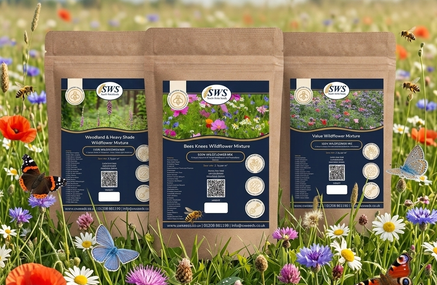
3. For Shaded Boundaries: Woodland & Heavy Shade Wildflower Mixture

  • Best Suited For: Shaded garden borders, under trees, and woodland edges.
  • Why It Needs Winter: Woodland species like Foxgloves and Campions naturally drop their seed in autumn and winter. Mimicking this natural cycle lets seeds settle securely into topsoil before spring leaves block out light.

4. For Damp & Wetland Plots: Water Margins Wildflower Mixture

  • Best Suited For: Pond edges, ditches, and moisture-retentive soils.
  • Why It Needs Winter: Wetland perennials require continuous moisture and winter chilling to trigger growth, ensuring seeds are perfectly timed to root as spring water levels shift.

5. For Pollinators: Bee's Knees Wildflower Mixture

  • Best Suited For: Wildlife gardens and dedicated pollinator strips.
  • Why It Needs Winter: Packed with nectar-rich native species like Red Clover and Oxeye Daisy, winter sowing gives perennial roots a head start so they bloom early to support emerging spring bees.

Step-by-Step: How to Sow Wildflower Seeds in Winter

1. Prepare a Clean, Weed-Free Seedbed

Wildflowers thrive in low-fertility soil but struggle against aggressive grass and weeds. Clear your plot of weeds, nettles, and dense turf, then rake the surface to create a fine, crumbly tilth.

2. Mix Seed with Sand

Wildflower seeds are tiny! To ensure even coverage across your plot, mix your seed blend with clean sand or bran so you can see where you’ve scattered.

3. Cast the Seed & Press In (Do Not Bury)

Scatter the seed evenly across the surface. Do not cover the seed with soil, most native wildflower seeds require light exposure to break dormancy. Walk over the area firmly or use a lightweight roller to press the seed into direct contact with the soil.

4. Avoid Hard Freezes & Waterlogging

Never sow on frozen ground or standing water. Choose a mild, dry winter spell when topsoil can be worked lightly.

Bring Your Land to Life with South West Seeds

Whether you are transforming a small garden border, establishing a countryside stewardship strip, or restoring a multi-acre meadow, high-purity UK seeds make all the difference.

Have questions about establishing wildflowers on your property this winter? Contact our expert team today for tailored advice.

Post By Will Jones