SFI AHW2 & AB12 Supplementary Winter Bird Food: A Guide for Farmers & Landowners
SFI AHW2 & AB12 Supplementary Winter Bird Food: A Guide for Farmers & Landowners
Posted on 26/10/2026
If you're managing land under DEFRA’s Sustainable Farming Incentive (SFI) or Countryside Stewardship schemes, you'll already know that autumn means getting your winter management sorted. For anyone on SFI Option AHW2 or Countryside Stewardship Option AB12, that includes putting together a solid plan for supplementary winter bird feeding.
Let’s be honest: keeping on top of scheme rules can feel like a headache. But getting your supplementary feeding right doesn't just tick the boxes for an inspection, it genuinely keeps local wildlife going through the toughest months of the year.
Here’s a quick look at what you need to know about AHW2/AB12 feeding, why timing is everything and how to pick the right mix.
What are AHW2 and AB12 all about?
In short, these options are designed to put food back onto the land when nature runs dry.
The Window: You're usually expected to feed from 1st December through to 30th April.
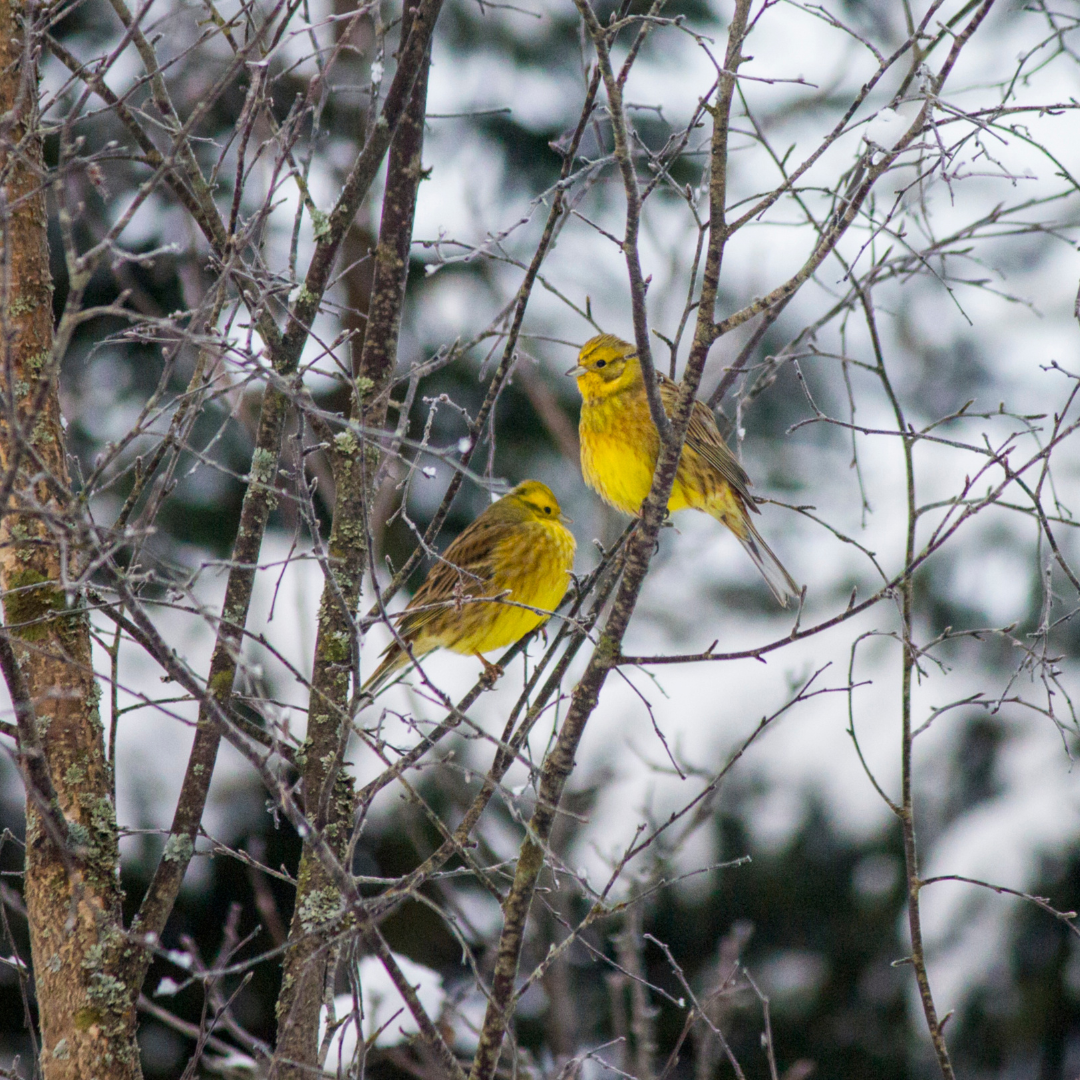
The Goal: It’s all about helping seed-eating farmland birds, like yellowhammers, linnets, tree sparrows and reed buntings, make it through to the spring breeding season.
The Catch: Your feed mix needs to pack enough energy and variety to actually do the job.
Beating the "Hungry Gap"
If you've spent any time out on the land in January or February, you'll know it's a bleak time for wildlife. By mid-winter, natural seeds in stubbles, margins and hedgerows are pretty much cleaned out.
That late-winter stretch (right up until spring kicks off) is what conservationists call the Hungry Gap.
When natural food supplies bottom out, providing a reliable supplementary feed along farm tracks or near wild bird cover plots makes a massive difference:
It keeps birds in decent body condition when hard frosts and snow lock up the ground.
It vastly improves survival rates going into spring.
It keeps your stewardship or SFI paperwork completely watertight.
What should actually be in your bag?
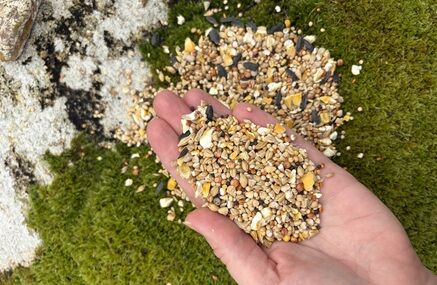
Not all bird food is suitable for farm-scale spreading. If you want high consumption and minimal waste, you want a mix that offers a bit of everything-from high-energy oils to small grains.
Cleaned Wheat & Cut Maize: A solid energy foundation.
Sunflower Hearts & Black Sunflower: Packed with natural oils to help birds stay warm when temperatures drop.
White & Red Millet: Smaller grains that finches and buntings love.
Canary Seed & Red Dari: Great for protein and overall vitality.
Oilseed Rape: Highly concentrated calories for winter warmth.
Top tip: Make sure you're using seed that's properly cleaned. Cleaned grain means less dust, fewer blocked spreaders and zero wasted chaff blowing about in the back of the tractor.
Best practices for spreading on farm
To keep things efficient and hassle-free:
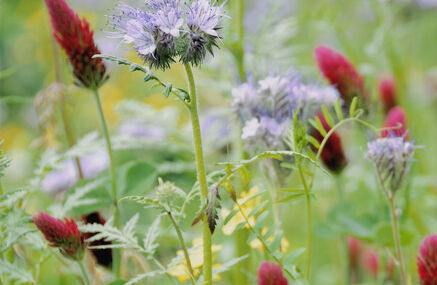
Stick to the tracks: Spread along well-drained farm tracks, uncropped headlands, or right next to your winter bird cover plots (like AB9 / AHL2).
Keep it moving: Use a spinner, tractor-mounted spreader or hand scatter. Shifting your feeding line slightly every couple of weeks helps keep the area hygienic.
Keep your records: Save your invoices, bag tags and a quick note of your feeding dates. If an inspector comes knocking, you want your paperwork ready to go.
Delivered straight to the farm gate
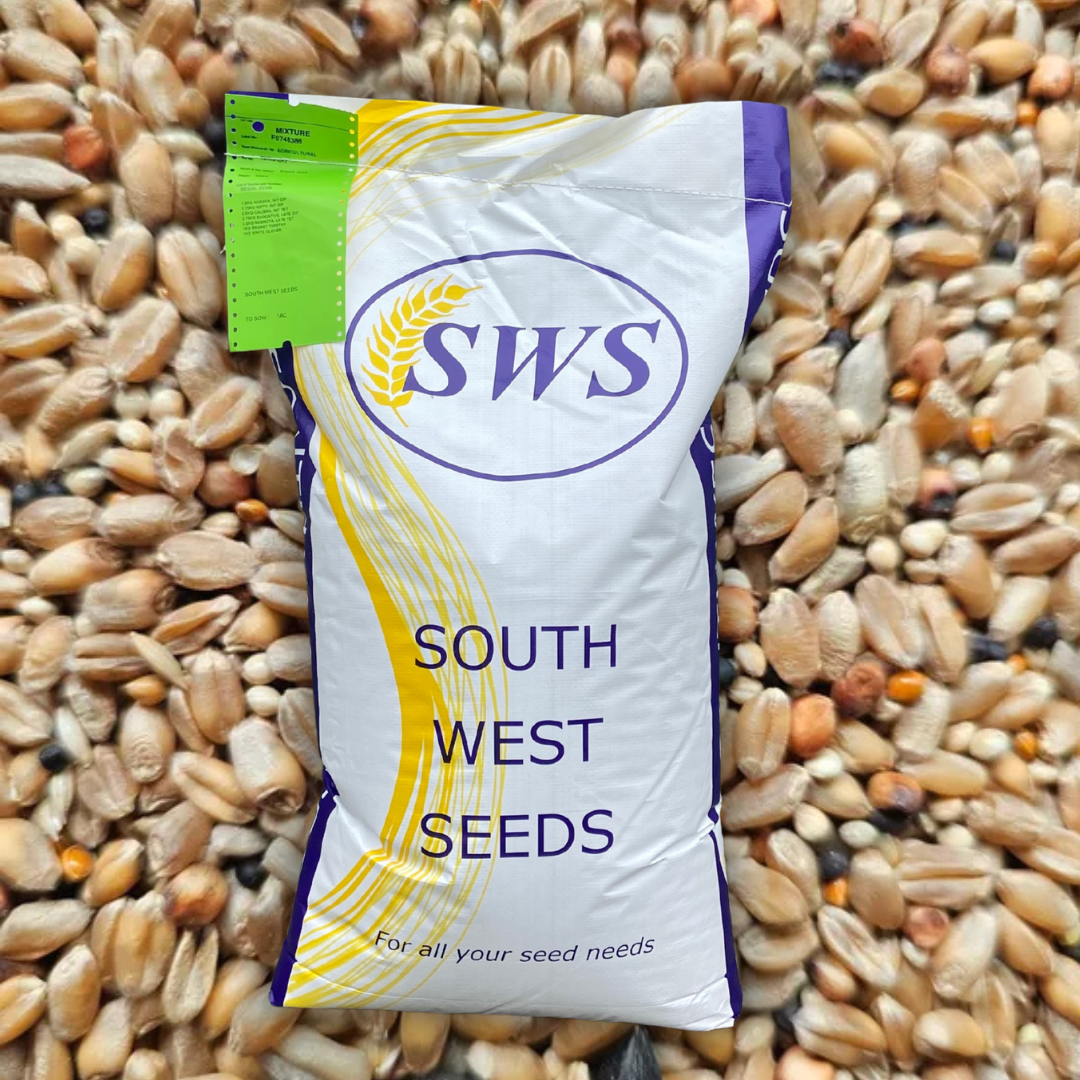
We know handling feed across big acreages means you need options that fit your setup. That’s why we supply our AHW2 / AB12 mix in:
25kg Sacks for quick top-ups or targeted spots.
500kg & 1,000kg Bulk Tote Bags for easy loading.
Ready to get sorted before December rolls around? Take a look at the mix and lock in your delivery: