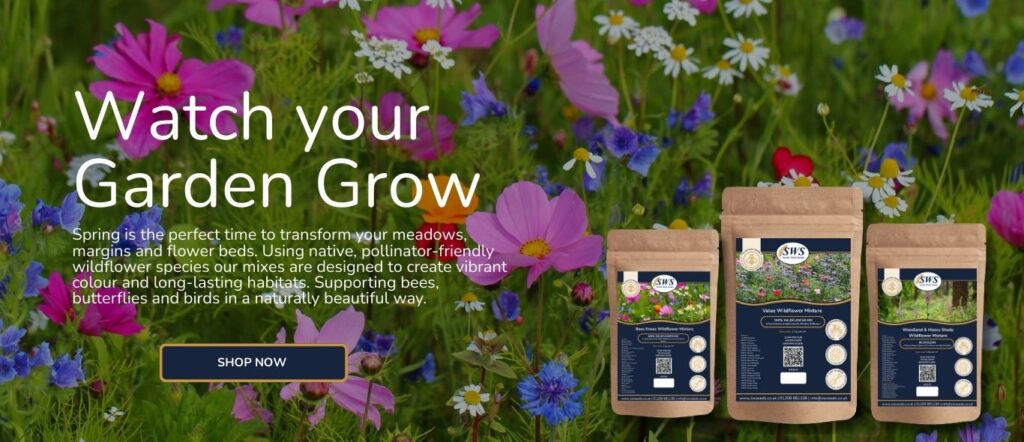
If you’re dreaming of a colourful, wildlife-friendly garden, meadow or just want to brighten up your margins, March is one of the best times of year to sow wildflower seeds. As the soil begins to warm and daylight hours increase, conditions are ideal for germination and early establishment. With the right preparation and care, sowing in March can lead to a thriving wildflower display that supports pollinators and brings natural beauty to your outdoor space.
Before sowing any seed, proper site preparation is essential. Wildflowers establish best when they have minimal competition. Start by removing all unwanted plants, including:
You can remove weeds by pulling or digging them out, or by using a glyphosate-based weed killer if appropriate. The goal is to create a weed-free seedbed, which allows wildflower seeds to germinate successfully.
This step is particularly important because weeds and grasses grow much faster than wildflowers. If left in place, they will quickly outcompete the young plants and take over the area.
Unlike many garden plants, wildflowers prefer poorer soils.
Adding compost or fertiliser can actually encourage grasses and aggressive plants rather than delicate wildflowers. If your topsoil is particularly fertile, it may even help to remove some of it and replace it with subsoil to create the lower-nutrient conditions that wildflowers prefer.
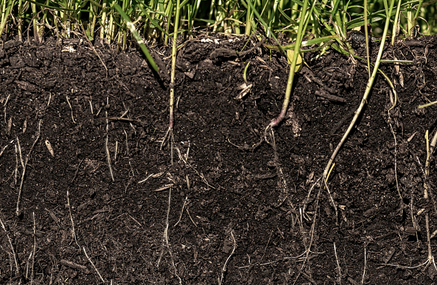
Once weeds are removed, the soil needs to be cultivated.
You can do this using:
The aim is to create a fine, loose seedbed that allows seeds to settle and germinate evenly.
Before sowing, measure the area you plan to plant. This helps you determine how much seed you need.
Wildflower seed is typically sown at a rate of 2–5 grams per square metre. Sowing too heavily can lead to overcrowding, while sowing too lightly may leave gaps in your display.
Wildflower seeds can be sown at different times of the year, but March and April are especially favourable because:
Although seeds can technically be sown during most of the year in the right conditions, spring sowing gives plants the best chance to establish before summer. Another popular sowing window is late summer (August–September), which mirrors the natural time when many wildflowers drop their seeds.
Sowing wildflower seeds in March gives your plants the perfect head start for the growing season. With good preparation, careful sowing, and simple maintenance, you can transform even a small area into a vibrant wildflower habitat.
Not only will you enjoy a beautiful display of colour, but you’ll also be supporting bees, butterflies, and other important pollinators that rely on wildflower habitats.
And that’s something every garden can benefit from. 🌸🐝
Discover our Wildflower Mixtures today.