With recent financial pressures within the livestock and arable sectors, producing quality cost effective forage needs to be planned well in advance to make the most out of your farm’s soils. Here are some thought-provoking topics to consider when planning this spring’s Maize crop establishment.
“Doing the same as last year won’t deliver the best economic or productive output- two years are very rarely the same.”
Market:
What market are you growing for? Solid “Cheese”, liquid “Milk”, Beef, or for Energy. All four markets have a slightly different requirement when it comes to making the best silage for maximum output and your choice of variety will play huge part in whether you see the maximum return on your maize silage investment.
Site:
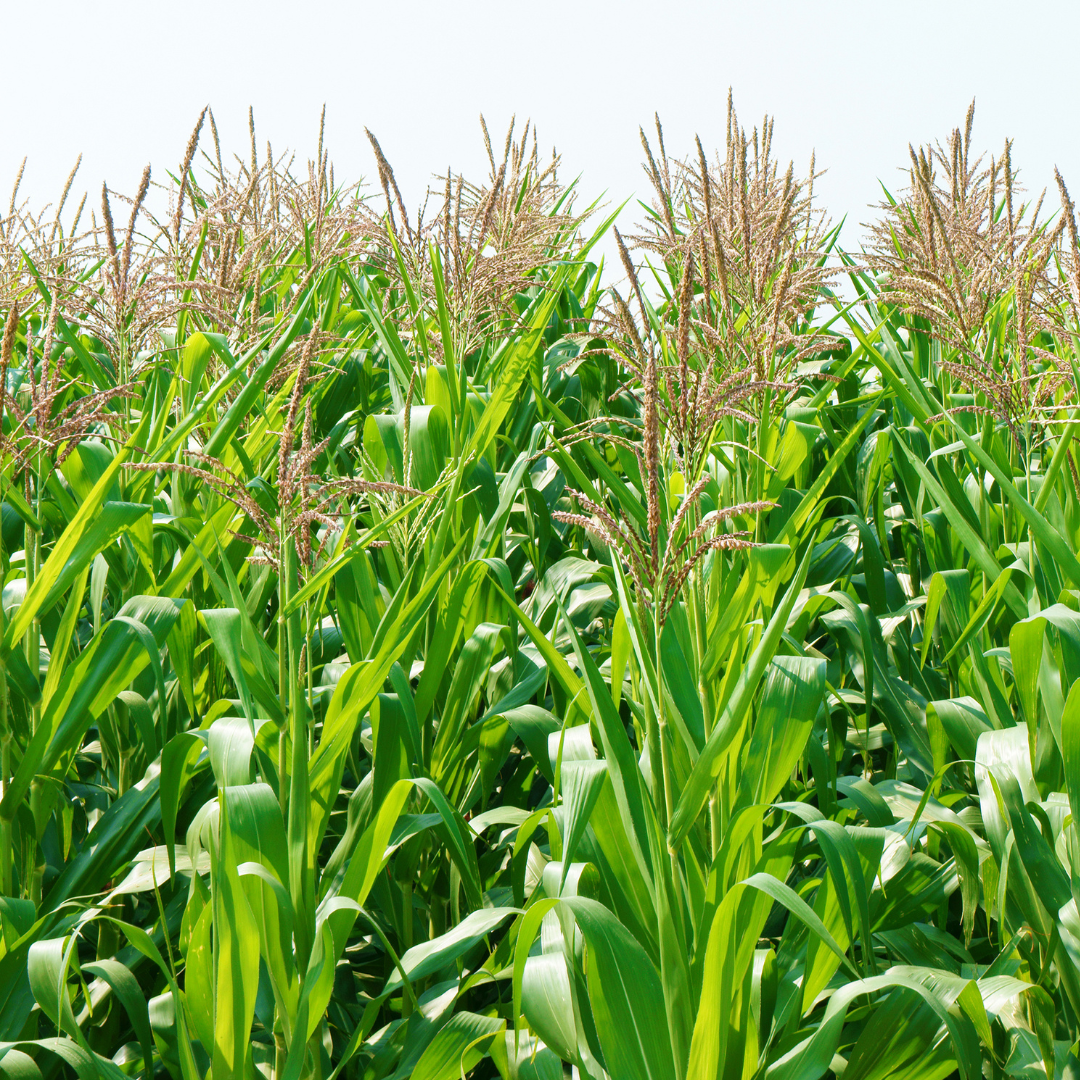
Where are you planting your maize crop? Altitude, aspect and exposure will all play a major factor in whether a maize crop is successful or not. Again, choosing the best variety to play to the sites advantages is key but sometimes thinking outside of the box approach can also play a major factor. Exposed sites which can be prone to lodging can be mitigated by something as simple as reducing seed rates slightly and ensuring cultivation depth provides plenty of tilth for the maize plant to anchor itself into.
Nutrient Requirements:
Assessing the nutrient requirements of your soil is imperative to make any crop profitable. A successful maize crop can produce fresh weight yields of between 40-60tons/ha but can only do so if supplied with enough nourishment to facilitate optimum cell division. Doing something as simple as a basic soil test on land destined for maize gives you the framework to plan lime, dung, slurry and manufactured fertiliser. Doing the same as last year will not give you the best economic or productive output, two years are very rarely the same.
Soil Conditions:
The conditions in which you place your Maize seed, I would argue, plays the largest role in whether or not your seed meets its full potential. Temperature, moisture and access to essential nutrients all play major roles in the seeds’ ability to break the soil surface quickly and without being inhibited by external stresses. Taking the time to assess soil conditions and its nutrient requirements before drilling will make a huge difference to a crop’s productivity and its subsequent profitability.
Variety Choice:
When choosing the variety you are going to plant, it is important to take into consideration what market is it going to service: Cheese, liquid milk, Beef, or Energy. Many varieties will boast high DM and starch which are key components for high butterfat levels in milk destined for cheese production. Others will have better cell wall digestibility aiding production volume of milk from each kg of maize an animal eats. Choose your maize seed based on your end market not on glossy advertisements.
“Taking time to assess soil conditions before drilling can make a huge difference to yield and overall profitability.”
Placement and Foliar Fertiliser:
Placement fertiliser has continued to prove it is worth both in terms of economic and yield output vs untreated crops. It has however moved on from the days of putting 1 cwt of DAP down the spout at drilling and moved more towards lower volume specialty fertiliser which provides much better nutrient use efficiency at a saving of as much as £20/ha against DAP.
Summary:
In summary when planning your 2026 maize crop think: Market, Site and Soil when making your variety and fertiliser choices. For more information on growing a successful maize crop please call the South West Seeds office.
T: 01208 881198
E: info@swseeds.co.uk