Did you know Wildflowers and Bumble bees live in perfect unity? Here are 7 Fascinating Facts About Wildflowers and Bumblebees.
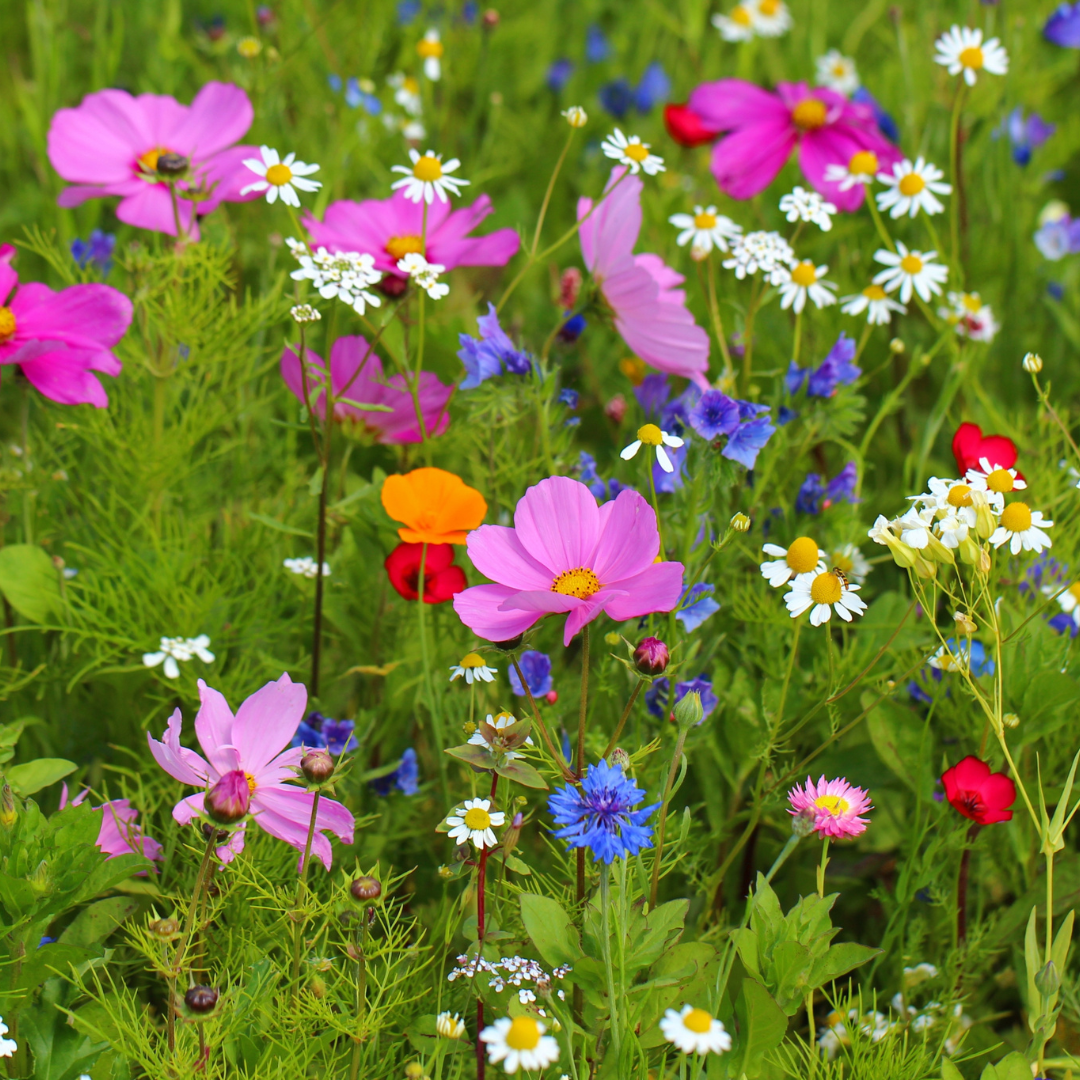
Borage has a mild cucumber flavour and its star-shaped blue flowers are perfect in summer drinks, while cornflowers add a peppery taste and vibrant colour to salads and cakes.
In particular, a well-established wildflower meadow can host over a hundred different species of flowers and grasses, making it one of the most biodiverse habitats in the landscape.
For example, bees that forage on clover produce a light, mild honey, while those feeding on wildflowers like heather or buckwheat create darker, richer, and more robust flavours.
Bumblebees perform a technique called “buzz pollination,” where they vibrate their bodies to shake pollen loose from flowers like wild orchids and foxgloves—something most other pollinators can’t do!
Although wildflowers such as Viper’s Bugloss and Foxgloves are stunning, they’re also highly poisonous to humans and animals if eaten! Foxgloves, in particular, contain cardiac glycosides, a compound used in heart medication. A small amount of Foxglove can be potenialy fatal, and no known antidote exists.
Wildflowers play a vital role in the UK’s natural landscape—over 1,500
species of wildflower support everything from pollinators like bees and
butterflies to birds and small mammals. With ancient meadows now rarer
than rainforests, every wildflower patch is a precious piece of history!
Without bumblebees, some wildflowers may fail to reproduce, as their
pollen is too deep or inaccessible for smaller insects to reach. This can l lead to a decline or even extinction of certain plant species. Bumblebees can also fly in cooler temperatures than many other pollinators, making them critical for early-blooming wildflowers in the spring when few other insects are active.
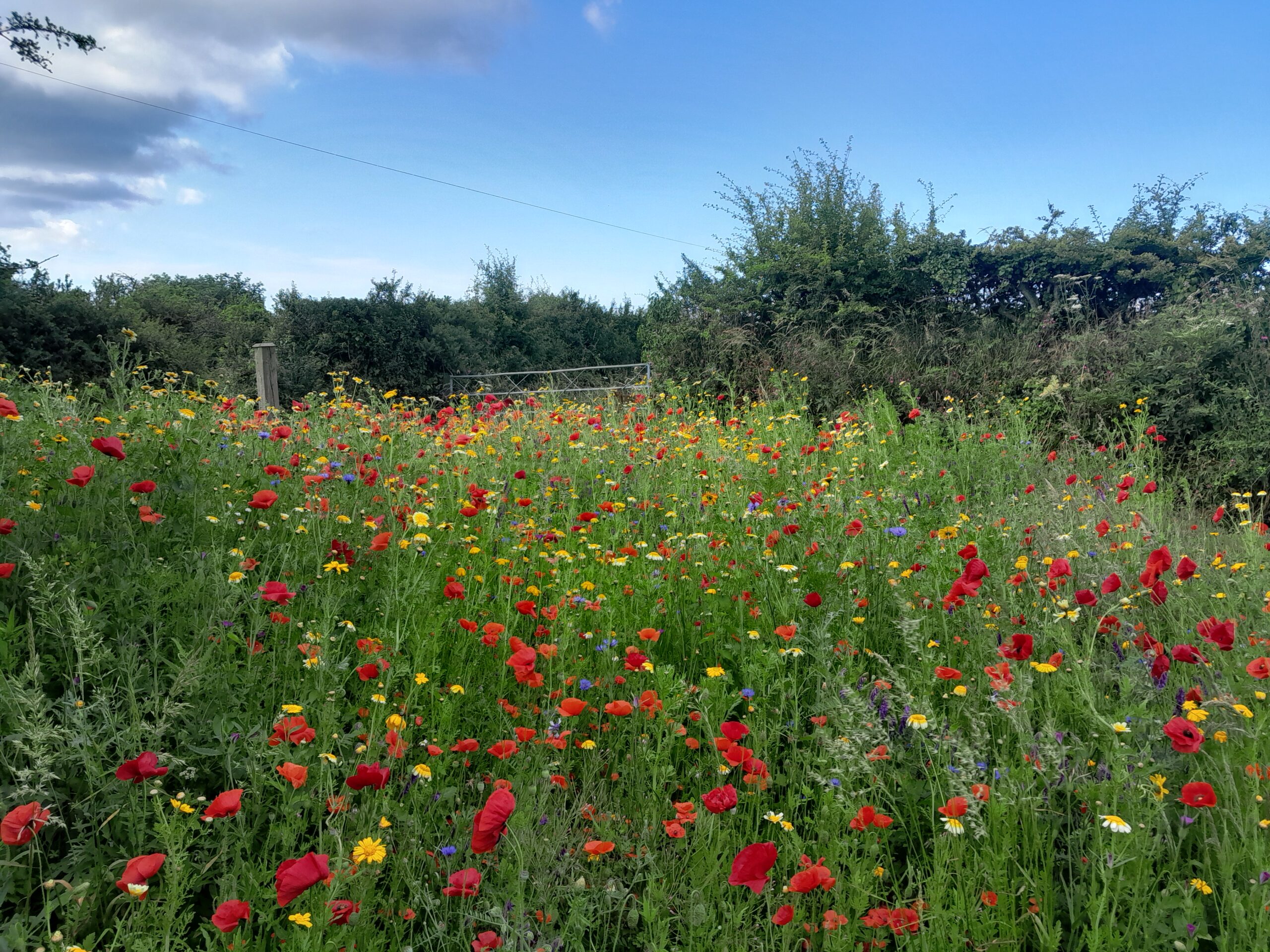
As bumblebees become more endangered we are really trying to build awareness around wildflowers and their importance. To this end we have teamed up with the Bumblebee Conservation Trust to help raise awareness and to encourage everybody to plant a small area of wildflowers.
All of our seed is grown and sourced in the UK where applicable. Our range includes bee mixtures, hedgerow & woodland mixtures, mixtures by soil type, popular mixtures, sandy soils and water margin mixtures.